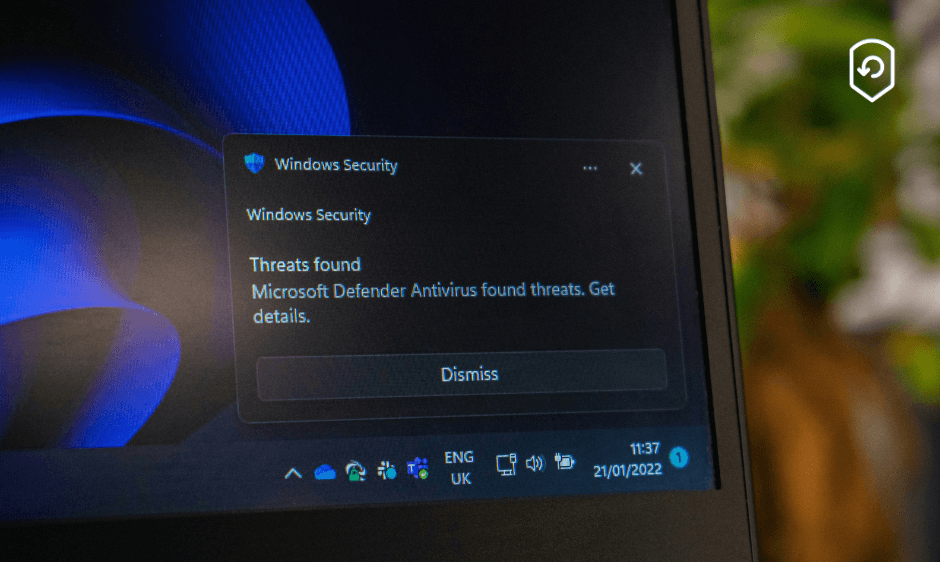
By reading this post, you will learn what EDR is all about, some of its history and why you can’t do without it. If you don’t know, EDR stands for Endpoint Detection and Response. It’s a Cybersecurity solution designed to detect, investigate, and respond to suspicious activities and threats on endpoints such as Computers, Laptops, Servers, and Mobile Devices.
The system uses what we refer to as lightweight agents that monitor the endpoints for any Indication of Compromise (IoC) and other abnormal behaviour. In case you were wondering, lightweight agents are simply software components that have virtually no impact on the system resources, such as the CPU, Memory, and Network bandwidth requirements. However, they do an excellent job of protecting the system.
When potential threats are detected, EDR tools provide real-time alerts and detailed forensic data to help security and IT teams investigate and respond to incidents. In a nutshell, EDR plays a crucial role in modern cybersecurity strategies, particularly in detecting and mitigating advanced persistent threats (APTs) and other sophisticated attacks.