Antivirus (AV)
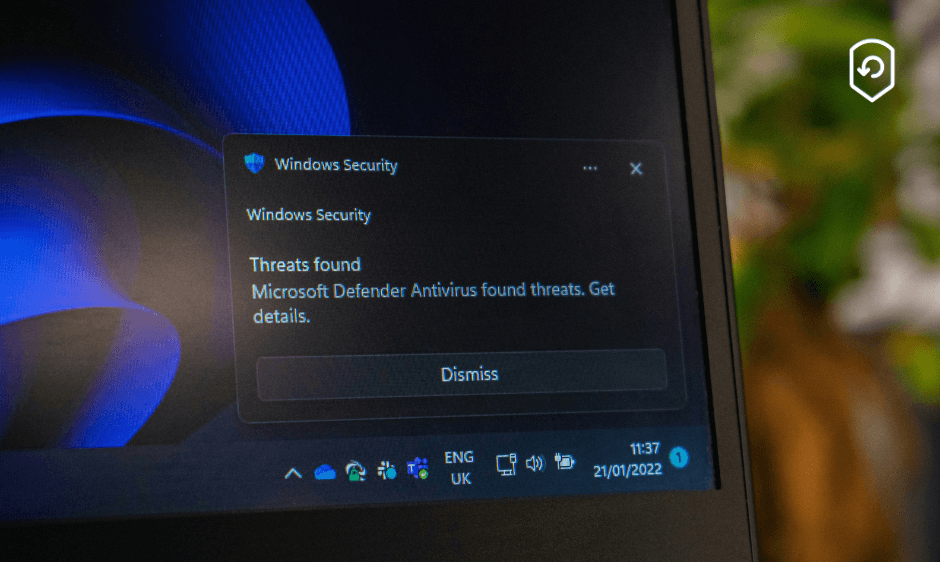
First we will dissect AV, the tried and tested veteran of cybersecurity. It has been around for decades during which time we have relied on it as a trusted guard dog as it tirelessly scans files, websites, and emails for the telltale signs of malicious software. Its arsenal includes signature-based detection, heuristic analysis, and behavioural monitoring, making it a formidable opponent against a wide array of cyber threats. With its straightforward installation and user-friendly interface, AV is the go-to choice for many users looking for a reliable shield against viruses, worms, trojans, and other traditional malware. AV employs signature-based detection methods to identify known malware based on predefined patterns or signatures and quarantines or removes threats when it finds them.
Endpoint Detection and Response (EVR)
Over recent times, the threat landscape has evolved significantly, with cybercriminals employing sophisticated tactics, techniques, and procedures (TTPs) to evade traditional AV defences. You can think of EDR as the new kid on the block armed with sophisticated tools that would give even some seasoned hackers a run for their money.
EDR offers advanced threat detection, real-time monitoring, and rapid response capabilities. Unlike AV’s signature-based detection, EDR proactively utilises behavioural analysis, machine learning, and endpoint telemetry to identify and respond to novel and emerging threats, including zero-day attacks, file-less malware, and advanced persistent threats (APTs).
EDR doesn’t just stop cyber threats; it hunts them down, tracks their every move, and neutralises them with almost surgical precision. With its ability to detect and respond to zero-day attacks, file-less malware, and sophisticated cyber threats, EDR is the ultimate solution for organisations and individuals needing to fortify their defences against modern cyber threats.
Furthermore, EDR offers enhanced incident response capabilities, allowing security teams to quickly contain, isolate, and repair compromised endpoints. EDR solutions provide centralised management consoles, customisable alerts, and automated response actions, streamlining incident detection and response workflows.
AV or EDR?
So, which one is right for you – AV or EDR? The answer depends on your specific needs, resources, and risk tolerance. If you’re a small business owner or individual user looking for essential protection against common malware, AV may be the perfect fit for you. Its simplicity, affordability, and ease of use make it an attractive option for those with limited cybersecurity expertise or budget.
On the other hand, if you’re a larger organisation or high-value target facing advanced cyber threats and targeted attacks, EDR may be the ideal solution you’ve been searching for. Its advanced threat detection capabilities, real-time response capabilities, and forensic analysis make it an indispensable tool for staying one step ahead of cybercriminals.
However, as powerful as EDR appears, it has its challenges. EDR solutions often require more resources, expertise, and investment than traditional AV software. Implementation and configuration are frequently complex, requiring skilled cybersecurity professionals to fine-tune policies, thresholds, and detection rules. EDR solutions may also generate a higher volume of alerts, potentially overwhelming security teams and increasing the risk of alert fatigue.
Finally
In conclusion, both AV and EDR have their strengths and weaknesses, and the best choice for you depends on your unique circumstances and requirements. Whether you choose veteran AV or the cutting-edge EDR, the most important thing is to stay vigilant, keep your defences up, and never let your guard down in the ever-evolving battle against cyber threats We conclude with a table of the pros and cons of both defence systems.
Pros and cons of Antivirus (AV) and Endpoint Detection and Response (EDR):
Antivirus (AV) | Endpoint Detection and Response (EDR) | |
Pros | ||
Known Threat Detection | Excellent at identifying and blocking known malware signatures | Utilises advanced detection mechanisms to detect both known and unknown threats, including zero-day exploits and sophisticated attacks |
Ease of Use | Typically easy to deploy, configure, and manage | Provides granular visibility into endpoint activities, enabling detailed monitoring and analysis |
Resource Usage | Lightweight in terms of resource consumption | Real-time response capabilities, including automated containment, remediation, and threat hunting |
Cost-effectiveness | More cost-effective than EDR solutions | Scalable and adaptable, capable of protecting diverse endpoint environments and adapting to evolving threats and security requirements |
Compatibility | Compatible with a wide range of endpoint devices and OS | Offers comprehensive forensic data and contextual information for conducting thorough investigations and incident response |
Cons | ||
Limited Detection Capabilities | May struggle to detect and mitigate advanced threats | Complexity in deployment, configuration, and management, requiring specialised knowledge and expertise |
Reactive Approach | Primarily reactive, relying on signature updates and periodic scans | Resource-intensive, potentially impacting endpoint performance and requiring higher investment in terms of licensing and maintenance |
Limited Visibility | Provides limited visibility into endpoint activities | May generate false positive alerts, requiring manual investigation and analysis |
Ineffective Against Insider Threats | May be ineffective against insider threats and unauthorised access attempts | Integration challenges with existing security infrastructure and workflows may pose challenges in heterogeneous environments |
If you would like more information and guidance on staying safe in the ever-escalating world of cybercrime, please don’t hesitate to contact our team at Roundhouse Cyber. Roundhouse Cyber is dedicated to creating a safer digital world for individuals and businesses. We would love to talk to you.


