The World Before EDR
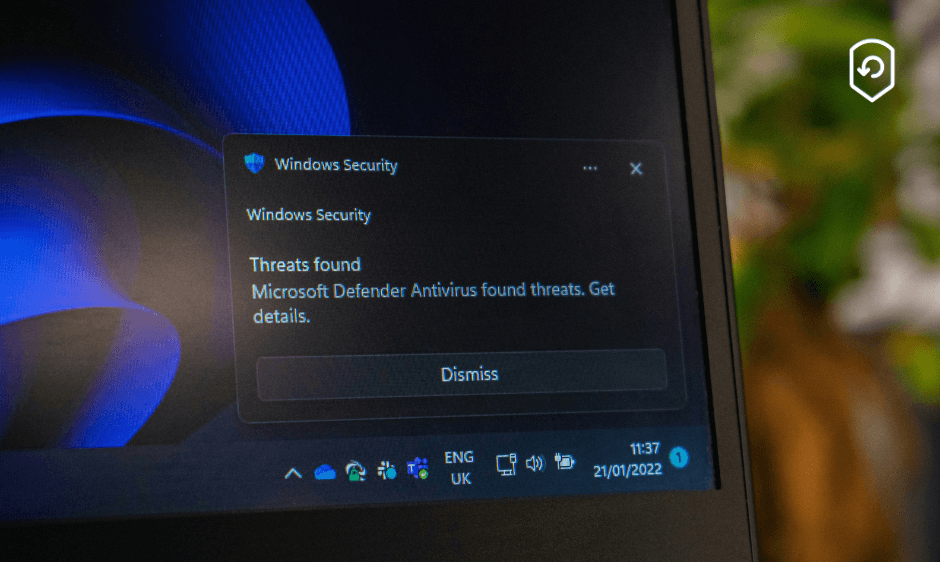
To appreciate the full significance of EDR, it is worthwhile to look at Cybersecurity before the technology was developed. Cybersecurity relied heavily on traditional Antivirus Software, Firewalls, Intrusion Detection Systems (IDS), and other perimeter-based defences. While these technologies provided a level of protection, they were primarily focused on preventing known threats from infiltrating the network. However, these solutions could not detect and respond to advanced, evolving threats that could bypass traditional defences.
The Evolution of EDR
Today, EDR is a crucial component of modern Cybersecurity, providing organisations with the capability to detect, investigate, and respond to advanced threats targeting endpoint devices. The evolution of EDR has been shaped by a continuous cat-and-mouse game of escalating cyber threats, advancing technology, and the shifting landscape of Cybersecurity practices.
The roots of EDR can be traced back to the early days of Antivirus Software and Intrusion Detection Systems, which primarily focused on identifying known Malware Signatures and network-based anomalies. However, as cyber threats became more sophisticated and elusive, traditional security measures failed to protect against ever-evolving attack vectors adequately.
It was during the mid-2000s that EDR began to take shape when Cybersecurity Developers recognised the need for solutions that could monitor endpoint devices for threats. The first EDR solutions deployed were Endpoint Telemetry Collection, File Integrity Monitoring, and Host-based Intrusion Detection.
However, the hackers upped their game with targeted attacks, advanced persistent threats (APTs), and Insider Threats, thus fuelling the demand for more advanced EDR capabilities.
During the next decade, the second generation of EDR solutions emerged. These included Behavioural Analytics, Machine Learning Algorithms, and real-time Threat Intelligence Integration. These advances meant that EDR could detect and respond to previously unknown threats in near real-time, significantly enhancing organisations’ ability to defend against cyber-attacks.
However, the rise of Cloud Computing, the proliferation of Mobile Devices, and the Internet of Things (IoT) expanded the attack surface significantly, introducing new challenges to endpoint security. Third-generation EDR solutions, developed in the late 2010s and early 2020s, focused on scalability, adaptability, and integration with other security technologies.
EDR Today
Today, EDR is a cornerstone of modern Cybersecurity Architectures. Organisations now have granular visibility of endpoint activities, continuous monitoring capabilities, and automated response mechanisms. Advanced EDR platforms use artificial intelligence (AI), Threat-hunting techniques, and Threat Intelligence feeds to proactively identify and neutralise emerging threats before they cause significant damage.
The Future of EDR
The hackers aren’t going away anytime soon, and EDR is ready to take them on. As cyber threats evolve in complexity and sophistication, EDR solutions must adapt by embracing emerging technologies such as Quantum Computing, Decentralised Networks, and Secure Hardware Architectures. Additionally, the integration of EDR with other security technologies such as Security Information and Event Management (SIEM), Security Orchestration, Automation, and Response (SOAR), and Extended Detection and Response (XDR) will further enhance organisations’ ability to detect, respond to, and recover from cyber-attacks holistically.
The Big Takeaway
The story of EDR is one of an ongoing arms race between cyber attackers and defenders, with defenders determined to stay at least one step ahead to protect critical assets. Conventional Cybersecurity measures no longer cut the mustard. Investing in an EDR system is essential for organisations seeking to enhance their Cybersecurity posture and effectively protect their assets from evolving cyber threats.
EDR systems provide advanced threat detection capabilities, real-time response mechanisms, granular visibility into endpoint activities, and compliance support, empowering organisations to proactively protect against cyber-attacks and minimise the impact of security incidents.
For advice on staying safe against the latest generation of cyber threats, reach out to our team at Roundhouse Cyber.